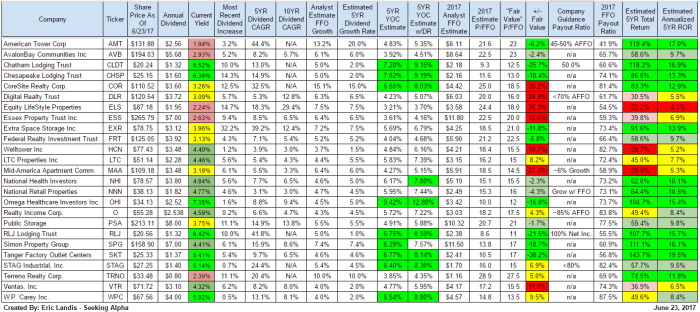
Exploring the world of REITs Dividend Stocks, this introduction sets the stage for a deep dive into the intricacies of real estate investment trusts, offering valuable insights and analysis in a clear and engaging manner.
Detailing the nuances of different REIT types, factors to consider when investing, risks associated, tax implications, and the importance of diversification in dividend stock portfolios.
Overview of REITs Dividend Stocks

REITs, or Real Estate Investment Trusts, are companies that own, operate, or finance income-producing real estate across a range of property sectors. They differ from traditional stocks in that they are required by law to distribute at least 90% of their taxable income to shareholders in the form of dividends. This makes them a popular choice for investors seeking stable income.Dividend stocks are shares of companies that pay out a portion of their earnings to shareholders on a regular basis.
They offer investors a steady stream of income, making them particularly attractive in times of economic uncertainty. REITs are known for their high dividend yields, making them a valuable asset class for income-focused investors.
Benefits of Investing in REITs for Dividend Income
- High Dividend Yields: REITs typically offer higher dividend yields compared to other investment options, providing investors with a reliable income stream.
- Diversification: Investing in REITs allows for diversification in a real estate portfolio without having to own physical properties.
- Tax Advantages: REIT dividends are often taxed at a lower rate than regular income, making them a tax-efficient investment option.
- Liquidity: REITs are publicly traded on stock exchanges, offering investors the flexibility to buy and sell shares easily.
Types of REITs
REITs come in various types, each with its own unique characteristics and investment opportunities. Let’s explore the different types of REITs available in the market and compare their risk, return, and dividend payout potential.
Equity REITs
Equity REITs are the most common type of REITs, investing in and owning income-producing real estate properties. These REITs generate income primarily through renting out properties and collecting rental payments. Equity REITs tend to offer steady income streams through dividends, making them popular among income-seeking investors. Examples of well-known equity REITs include Simon Property Group (SPG) and Realty Income Corporation (O).
Mortgage REITs
Mortgage REITs, also known as mREITs, invest in real estate mortgages rather than owning physical properties. These REITs earn income through interest payments on the mortgage loans they hold. Mortgage REITs are known for their higher dividend yields compared to equity REITs, but they also come with higher risks due to fluctuations in interest rates. Well-known mortgage REITs include Annaly Capital Management (NLY) and AGNC Investment Corp (AGNC).
Hybrid REITs
Hybrid REITs combine aspects of both equity and mortgage REITs in their investment portfolios. These REITs may own properties while also investing in mortgage loans, providing a diversified income stream. Hybrid REITs offer a balance between income generation and risk management. Examples of hybrid REITs include Ventas Inc. (VTR) and W.P.
Carey Inc. (WPC).Each type of REIT has its own risk-return profile and dividend payout potential. Investors should consider their investment goals and risk tolerance when choosing which type of REIT to invest in.
Factors to Consider When Investing in REITs Dividend Stocks
When investing in REITs dividend stocks, there are several key factors that investors should consider to make informed decisions and build a well-balanced portfolio.
Interest Rate Environment
The interest rate environment plays a crucial role in the performance of REITs dividend stocks. Generally, when interest rates are low, REITs tend to perform well as borrowing costs decrease, leading to higher profits and potentially higher dividend payments. On the other hand, when interest rates rise, REITs may face challenges as borrowing costs increase, impacting their profitability and dividend payouts.
It is essential for investors to monitor interest rate trends and assess how they may impact REITs in their investment decisions.
Property Sectors
Different property sectors within the REITs market can have varying levels of performance based on market conditions and economic factors. Investors should consider diversifying their REITs portfolio across various property sectors such as residential, commercial, healthcare, and industrial to minimize risk and maximize returns. Understanding the dynamics of each property sector and how they are influenced by economic cycles can help investors make strategic investment choices.
Management Quality
The quality of management within a REIT can significantly impact its overall performance and dividend payments. Investors should evaluate the track record and expertise of the management team, their strategy for property acquisition and management, as well as their ability to adapt to changing market conditions. Choosing REITs with strong and experienced management can provide added confidence in the stability and growth potential of dividend payments.
Analyzing and Selecting REITs Dividend Stocks
When analyzing and selecting REITs dividend stocks for a well-balanced portfolio, investors should consider factors such as historical performance, dividend yield, payout ratio, occupancy rates, lease terms, and growth prospects. Conducting thorough research, reading financial reports, and staying updated on market trends can help investors identify investment opportunities that align with their financial goals and risk tolerance.
Risks Associated with REITs Dividend Stocks
Investing in REITs dividend stocks comes with certain risks that investors need to be aware of in order to make informed decisions. Some of the potential risks associated with REITs dividend stocks include interest rate risk, market risk, and liquidity risk.
Interest Rate Risk
Interest rate risk is a significant concern for REITs as they are sensitive to changes in interest rates. When interest rates rise, the cost of borrowing for REITs increases, which can reduce their profitability. This can lead to a decrease in dividends paid out to investors. On the other hand, falling interest rates can have a positive impact on REITs by lowering borrowing costs and increasing property values.
Market Risk
Market risk refers to the possibility of losses due to factors that affect the overall performance of the stock market. REITs are not immune to market fluctuations, and their stock prices can be influenced by broader market trends. Economic downturns or market crashes can lead to a decline in the value of REITs stocks, impacting dividend payments and investor returns.
Liquidity Risk
Liquidity risk is another concern for investors in REITs dividend stocks. Due to the nature of real estate investments, REITs may have limited liquidity, making it difficult for investors to sell their shares quickly if needed. This lack of liquidity can result in price fluctuations and potentially lower returns for investors.To mitigate these risks and protect their investments, investors can consider diversifying their portfolio by investing in different types of REITs across various sectors.
Additionally, staying informed about market conditions, interest rate changes, and the overall economic outlook can help investors make strategic decisions.Historically, REITs have shown resilience during economic downturns, with some sectors performing better than others. While dividend payments may fluctuate during challenging times, REITs have proven to be a valuable addition to a well-rounded investment portfolio due to their potential for long-term growth and income generation.
Tax Implications of Investing in REITs Dividend Stocks
Investing in REITs dividend stocks can have unique tax implications that investors should be aware of. Dividends from REITs are taxed differently compared to other types of investments due to the specific structure of Real Estate Investment Trusts.
Tax Treatment of REIT Dividends
- Dividends from REITs are typically considered ordinary income and are taxed at the investor’s marginal tax rate.
- Unlike qualified dividends from traditional stocks, REIT dividends do not qualify for the preferential tax rates that apply to long-term capital gains.
- Investors may also be subject to an additional 3.8% Net Investment Income Tax (NIIT) on their REIT dividends if their income exceeds certain thresholds.
Tax Advantages and Disadvantages of REITs
- Advantages: REITs are required to distribute at least 90% of their taxable income to shareholders in the form of dividends, making them attractive for income-seeking investors.
- Disadvantages: The tax treatment of REIT dividends can result in higher tax liabilities for investors compared to other investments, especially for those in higher tax brackets.
Optimizing Tax Strategy with REITs
- Investors can consider holding REITs in tax-advantaged accounts such as IRAs or 401(k)s to defer or potentially avoid immediate taxation on dividends.
- Another strategy is to carefully evaluate the overall tax implications of REIT investments in taxable accounts and balance them with other tax-efficient investments to optimize the tax impact.
- Consulting with a tax advisor can also help investors develop a tailored tax strategy that aligns with their investment goals and overall financial plan.
Importance of Diversification in Dividend Stock Portfolios
Diversification is a crucial strategy when it comes to building a successful dividend stock portfolio. By spreading investments across different sectors and asset classes, including Real Estate Investment Trusts (REITs), investors can reduce risk and potentially enhance long-term returns.
Significance of Diversification
Diversifying a dividend stock portfolio with various types of assets, such as REITs, can help mitigate risk associated with any individual stock or sector. For example, if one sector experiences a downturn, other sectors may perform well, balancing out the overall portfolio. This can lead to more stable returns over time and reduce the impact of market volatility.
- Diversification can also help investors capture opportunities in different market conditions. For instance, while some stocks may perform better in a bull market, others may excel during a bear market. By diversifying, investors can benefit from various market scenarios and potentially improve their overall returns.
- Including REITs in a diversified dividend stock portfolio can provide exposure to the real estate market, which has historically offered attractive income potential. REITs typically pay out a significant portion of their income as dividends, making them a valuable addition to a dividend-focused portfolio.
Examples of Diversified Dividend Stock Portfolios
An example of a diversified dividend stock portfolio could include a mix of dividend-paying stocks from different sectors such as technology, healthcare, consumer goods, and real estate (REITs). By spreading investments across these sectors, investors can potentially benefit from the growth and stability each sector offers.
- For instance, a portfolio that includes blue-chip dividend stocks like Johnson & Johnson (healthcare), Microsoft (technology), Procter & Gamble (consumer goods), and Realty Income Corporation (REIT) can provide a balanced exposure to various industries, reducing the risk associated with sector-specific downturns.
- Analyzing the performance of such a diversified dividend stock portfolio over time can show how different sectors contribute to overall returns and how diversification helps in managing risk effectively.
In conclusion, the guide provides a holistic view of REITs Dividend Stocks, empowering investors with the knowledge needed to make informed decisions and navigate the complexities of the real estate investment landscape.
Q&A
What are the key differences between REITs and traditional stocks?
REITs are real estate investment trusts that own and operate income-producing real estate, while traditional stocks represent ownership in a company.
How are dividends from REITs taxed compared to other investments?
Dividends from REITs are typically taxed at ordinary income tax rates, unlike qualified dividends from other investments that may receive preferential tax treatment.
What strategies can investors use to mitigate risks associated with REITs?
Investors can diversify their portfolio, conduct thorough research on REITs, and stay informed about market trends to mitigate risks associated with REIT investments.
Why is diversification important in dividend stock portfolios?
Diversification helps spread risk across different assets, reducing the impact of volatility in any single investment and potentially enhancing long-term returns for investors.


