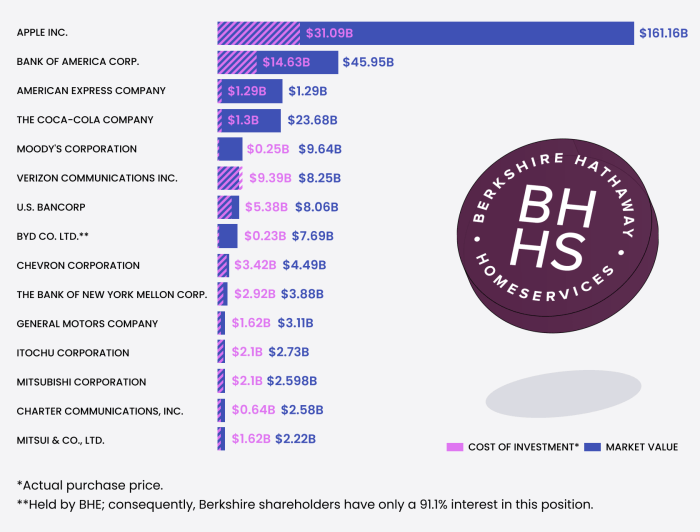
How to Build a Dividend Portfolio sets the stage for this enthralling narrative, offering readers a glimpse into a story that is rich in detail and brimming with originality from the outset. Dive into the world of dividend investing with this guide that will take you on a journey towards long-term wealth creation.
Introduction to Dividend Investing
Dividends are payments made by a company to its shareholders, usually in the form of cash or additional shares of stock. These payments are a portion of the company’s profits distributed to investors as a reward for holding onto their shares.
Concept of Dividend Investing
Dividend investing involves building a portfolio of stocks specifically chosen for their ability to generate consistent dividend income. Investors seek out companies with a history of paying dividends and increasing them over time, as this can provide a steady stream of passive income.
Benefits of Dividend Investing
- Diversification: Dividend investing can help spread risk across various industries and sectors.
- Income Generation: Investors can earn regular income from dividends, which can be reinvested for compounded growth.
- Long-Term Wealth Creation: Reinvesting dividends can accelerate wealth accumulation over time through the power of compounding.
- Historical Performance: Dividend-paying stocks have historically outperformed non-dividend-paying stocks in the long run.
Importance of Building a Dividend Portfolio
Building a dividend portfolio is crucial for long-term wealth creation as it provides a reliable source of passive income, diversification benefits, and the potential for capital appreciation. By carefully selecting dividend-paying stocks with strong fundamentals and consistent payout histories, investors can create a sustainable income stream and grow their wealth over time.
Selecting Dividend Stocks
When building a dividend portfolio, it is crucial to carefully select dividend-paying stocks that align with your investment goals and risk tolerance. Consideration should be given to various criteria to ensure the stocks chosen can provide consistent income and potential growth.
Criteria for Selecting Dividend-Paying Stocks
- Strong Financial Performance: Look for companies with solid earnings growth, stable cash flow, and manageable debt levels.
- Dividend History: Prioritize companies with a track record of consistently paying dividends, ideally with a history of dividend growth.
- Dividend Yield: Focus on stocks with a competitive dividend yield that is sustainable and attractive compared to industry averages.
- Dividend Payout Ratio: Evaluate the percentage of earnings a company pays out as dividends to ensure it is sustainable in the long term.
- Market Position: Consider companies with a strong competitive advantage and a leading position in their industry.
Industries Known for Consistent Dividend Payouts
- Utilities: Companies in the utilities sector are known for stable cash flows and consistent dividend payments.
- Consumer Staples: These companies offer products that are in constant demand, providing a reliable income stream.
- Real Estate Investment Trusts (REITs): REITs are required to distribute a significant portion of their income to shareholders, making them attractive for dividend investors.
Significance of Dividend Yield and Dividend Growth
- Dividend Yield: The dividend yield represents the annual dividend income as a percentage of the stock price. A higher yield can indicate a more attractive income opportunity, but investors should also consider sustainability and growth potential.
- Dividend Growth: Companies that consistently increase their dividends over time demonstrate financial strength and a commitment to rewarding shareholders. Dividend growth can help protect against inflation and enhance total returns.
Diversification in Dividend Portfolio
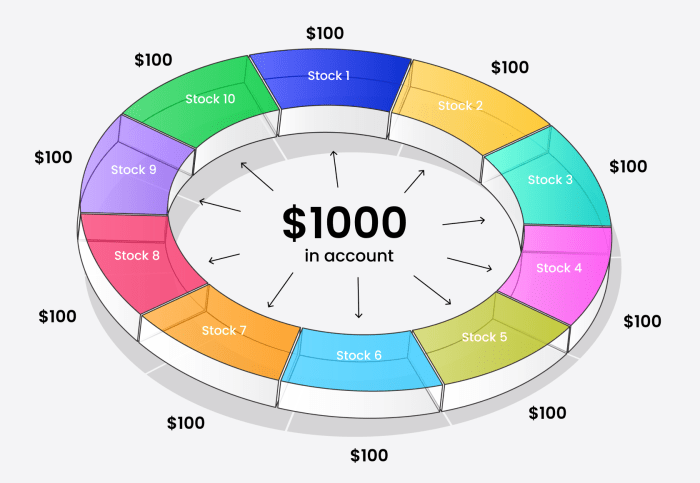
Diversification is a crucial strategy when building a dividend portfolio as it helps spread out risk and protect your investments from potential downturns in any particular sector or asset class. By investing in a variety of dividend-paying stocks across different sectors, industries, and asset classes, you can reduce the impact of volatility on your overall portfolio.
Strategies for Diversifying
One way to diversify your dividend portfolio is by investing across different sectors. By spreading your investments in sectors such as technology, healthcare, consumer staples, and financials, you can minimize the risk associated with any single sector underperforming.
Another strategy is to diversify across asset classes, including stocks, bonds, and real estate investment trusts (REITs). Each asset class behaves differently under various market conditions, providing a buffer against market fluctuations.
Furthermore, you can consider diversifying geographically by investing in international dividend-paying stocks. This can help reduce country-specific risks and exposure to a single market.
Importance of Diversification
Diversification is essential in managing risk in a dividend portfolio. By spreading your investments across different sectors, asset classes, and geographies, you can reduce the impact of a downturn in any particular area on your overall portfolio. This helps maintain stability and potentially enhance your long-term returns.
Reinvesting Dividends
When it comes to building a dividend portfolio, reinvesting dividends plays a crucial role in achieving long-term growth and maximizing returns. By reinvesting the dividends received from your investments, you can take advantage of compound interest and accelerate the growth of your portfolio over time.
Benefits of Reinvesting Dividends
- Compound Interest: Reinvesting dividends allows you to earn additional dividends on the dividends you have already received, compounding your returns over time.
- Increased Number of Shares: Reinvesting dividends enables you to purchase more shares of the dividend-paying stock, leading to a larger ownership stake and potentially higher future dividend payments.
- Dollar-Cost Averaging: Through a consistent reinvestment strategy, you can buy more shares when prices are low and fewer shares when prices are high, averaging out your cost per share over time.
Tips for Setting Up a Dividend Reinvestment Plan (DRIP)
- Check with Your Broker: Many brokerage firms offer Dividend Reinvestment Plans (DRIPs) that allow you to automatically reinvest your dividends without incurring additional fees.
- Enroll in Company DRIPs: Some companies offer direct DRIPs that enable you to reinvest dividends directly with the company, often at a discounted price.
- Consider Fractional Shares: DRIPs sometimes allow you to reinvest dividends in fractional shares, ensuring that every dollar is put to work in your portfolio.
- Monitor Your DRIP: Regularly review your DRIP contributions to ensure they align with your investment goals and adjust as needed to optimize your dividend reinvestment strategy.
Monitoring and Adjusting the Portfolio
Regularly monitoring your dividend portfolio is crucial to ensure it aligns with your financial goals and remains healthy over time. By keeping a close eye on its performance, you can identify any red flags early on and make necessary adjustments to optimize returns.
Tracking Performance and Dividend Health
- Monitor the overall performance of your dividend stocks compared to the market benchmark to assess how well your portfolio is doing.
- Keep track of dividend yields to ensure they are stable and in line with expectations. A sudden drop in yields could indicate financial troubles for the company.
- Check the dividend payout ratio to see if the company is distributing a sustainable portion of its earnings as dividends. A high payout ratio may not be sustainable in the long run.
- Review the company’s dividend history to gauge its consistency in paying dividends over time. A track record of regular dividend payments is a good sign.
Adjusting the Portfolio
- Rebalance your portfolio periodically to maintain diversification and manage risk. Selling off overperforming assets and reinvesting in underperforming ones can help keep your portfolio in line with your investment strategy.
- Consider adjusting your portfolio based on changing market conditions or economic outlook. For example, during a recession, you may want to focus on defensive stocks with stable dividends.
- Evaluate your financial goals and risk tolerance regularly to ensure your portfolio is still aligned with your objectives. Adjustments may be necessary if your circumstances or priorities change.
Risks Associated with Dividend Stocks
When investing in dividend stocks, there are certain risks that investors need to be aware of in order to make informed decisions and protect their investments. Understanding these risks and implementing strategies to mitigate them is crucial for building a successful dividend portfolio.
Market Risk
Market risk is the potential for the value of your investments to decrease due to market factors such as economic downturns, political events, or changes in interest rates. To mitigate market risk, diversification is key. By spreading your investments across different sectors and industries, you can reduce the impact of market fluctuations on your portfolio.
Company-specific Risk
Company-specific risk refers to risks that are unique to a particular company, such as poor management decisions, declining sales, or legal issues. Researching and selecting fundamentally strong companies with a history of stable earnings and dividend payments can help mitigate company-specific risk. Additionally, monitoring the financial health of your portfolio companies regularly is important to identify and address any potential red flags.
Interest Rate Risk
Interest rate risk is the risk that rising interest rates will negatively impact the value of dividend-paying stocks, as higher interest rates can make fixed-income investments more attractive. To mitigate interest rate risk, consider diversifying your portfolio with a mix of interest rate-sensitive and non-interest rate-sensitive dividend stocks.
Inflation Risk
Inflation risk is the risk that the purchasing power of your dividend income will decrease over time due to rising inflation. To combat inflation risk, look for companies that have a history of increasing their dividends at a rate that outpaces inflation. Reinvesting dividends can also help grow your income stream and offset the effects of inflation.
Economic Factors Impacting Dividend Stocks
Economic factors such as GDP growth, interest rates, and consumer spending can have a significant impact on dividend-paying companies. Companies that are sensitive to economic cycles may see fluctuations in their stock prices and dividend payments based on the overall economic environment. It’s important to monitor these economic factors and adjust your portfolio accordingly to minimize risks and capitalize on opportunities.
DIVIDEND STOCKS
Dividend stocks are shares of companies that distribute a portion of their earnings to shareholders in the form of dividends. These dividends are typically paid out regularly, providing investors with a steady income stream. On the other hand, non-dividend stocks do not pay out dividends and rely solely on capital appreciation for returns.When looking at the historical performance of dividend stocks compared to non-dividend-paying stocks, studies have shown that dividend stocks have outperformed non-dividend stocks over the long term.
This is because dividend-paying companies are generally more stable and mature, with strong cash flows to support their dividend payments. Additionally, dividends can provide a cushion during market downturns, offering investors some protection against volatility.
Well-Known Companies with Consistent Dividend Payments
- Johnson & Johnson: A healthcare giant that has been paying dividends for over 50 years.
- The Coca-Cola Company: Known for its iconic beverages, Coca-Cola has a long history of consistent dividend payments.
- Procter & Gamble: A consumer goods company with a track record of increasing dividends for decades.
In conclusion, mastering the art of building a dividend portfolio is key to securing your financial future. With the right strategies in place, you can navigate the ups and downs of the market while reaping the rewards of consistent payouts. Start your dividend portfolio journey today and watch your wealth grow over time.
Questions Often Asked
What is dividend reinvestment?
Dividend reinvestment is the practice of using dividends received to purchase additional shares of the same stock, thus compounding returns over time.
How can diversification benefit a dividend portfolio?
Diversification helps spread risk across different assets, sectors, or industries, reducing the impact of any single investment’s performance on the overall portfolio.
What are some common risks associated with dividend stocks?
Common risks include dividend cuts, economic downturns affecting company performance, and interest rate fluctuations impacting dividend yields.


