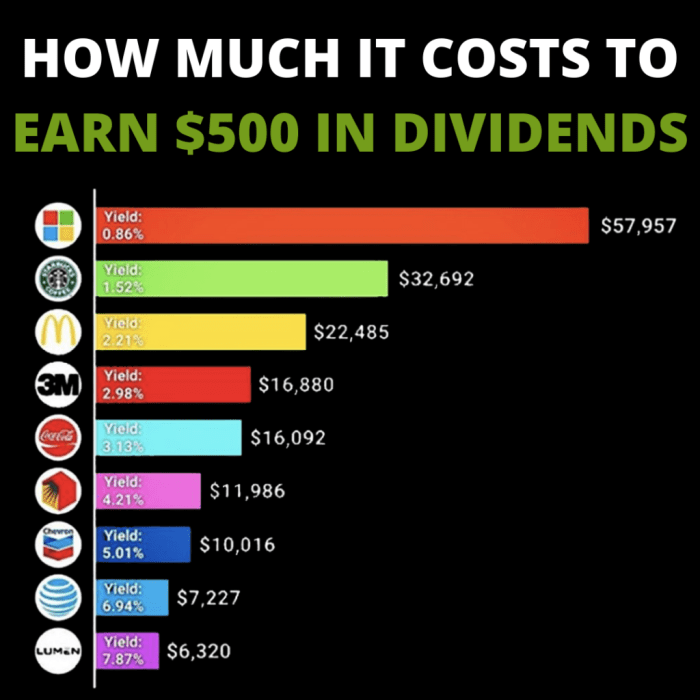
Embark on a journey into the world of Dividend Growth Stocks, where investors can find stability and growth through consistent dividend payments and strategic investment strategies.
Exploring the key characteristics, factors influencing dividend growth, risks involved, and the importance of these stocks in a diversified portfolio.
Introduction to Dividend Growth Stocks

Dividend growth stocks are companies that consistently increase their dividend payouts to shareholders over time. This sets them apart from regular dividend stocks, which may offer stable but unchanging dividend payments.
Investing in dividend growth stocks can be highly beneficial for long-term investors. Not only do these stocks provide a steady stream of income through increasing dividends, but they also have the potential for capital appreciation as the company grows and becomes more profitable.
Benefits of Dividend Growth Stocks
- Stable Income: Dividend growth stocks offer a reliable source of income that can help investors weather market volatility.
- Long-Term Growth: By consistently increasing dividends, these stocks have the potential for long-term growth in both income and capital value.
- Inflation Protection: Dividend growth stocks can provide a hedge against inflation, as the increasing dividends can outpace rising prices over time.
- Compounding Returns: Reinvesting dividends can lead to the compounding effect, where returns generate more returns, accelerating wealth accumulation.
Characteristics of Dividend Growth Stocks
When investors consider dividend growth stocks, they focus on specific characteristics that set these investments apart from others. One key aspect is the ability of these stocks to provide consistent dividend payments and increase their dividends over time. Let’s explore the key characteristics that investors look for in dividend growth stocks.
Consistent Dividend Payments
- Companies that offer dividend growth stocks typically have a history of consistently paying dividends to their shareholders. This reliability is crucial for investors seeking regular income from their investments.
- Stable and established companies with strong cash flows are more likely to maintain a consistent dividend payment schedule, making them attractive options for dividend growth investors.
- Investors value the predictability of regular dividend payments, as it provides a steady source of income regardless of market fluctuations.
Increasing Dividends Over Time
- Another key characteristic of dividend growth stocks is the ability of companies to increase their dividend payouts over time. This signals financial health and management’s confidence in the company’s future prospects.
- Companies that consistently raise dividends demonstrate a commitment to rewarding shareholders and generating long-term value, making them appealing to income-oriented investors.
- Dividend growth can outpace inflation, preserving the purchasing power of investors’ income streams and enhancing overall returns over the long term.
Factors Influencing Dividend Growth
Dividend growth is influenced by various factors that impact a company’s ability to sustain and increase its dividend payments over time. These factors include economic conditions, industry trends, and company performance.
Economic Conditions
Economic conditions such as interest rates, inflation, and overall market stability can significantly impact a company’s dividend growth. Companies with strong financial health are better positioned to navigate economic downturns and continue paying dividends to shareholders.
Industry Trends
Industry trends play a crucial role in determining a company’s dividend growth potential. Companies operating in growing industries with high demand for their products or services are more likely to generate higher profits and increase dividend payouts to shareholders.
Company Performance
The performance of the company itself, including factors like revenue growth, profit margins, and cash flow, directly affects its ability to sustain and grow dividend payments. A company with consistent and robust performance is more likely to reward shareholders with increasing dividends over time.
Strategies for Selecting Dividend Growth Stocks
When it comes to choosing dividend growth stocks, investors need to be strategic in their approach. Analyzing key factors such as payout ratios and dividend history can help in making informed decisions. Additionally, considering different investment strategies, like focusing on high yield versus steady growth in dividends, can also play a crucial role in selecting the right stocks for your portfolio.
Evaluating Dividend Growth Stocks
To evaluate dividend growth stocks effectively, investors should look at the payout ratio, which indicates the percentage of earnings that a company pays out in dividends. A lower payout ratio typically suggests that a company has room to increase its dividends in the future. Moreover, analyzing the company’s dividend history can provide insights into its consistency and commitment to rewarding shareholders.
- Check the payout ratio to gauge the sustainability of dividends.
- Examine the company’s dividend history to assess its track record.
- Consider the company’s future growth prospects to anticipate dividend increases.
Comparing Investment Strategies
When it comes to investment strategies for dividend growth stocks, investors can choose between focusing on high yield or steady growth in dividends. High-yield stocks offer immediate income but may have limited growth potential, while stocks with steady dividend growth may provide more consistent returns over time.
- High Yield: Offers immediate income but may lack growth potential.
- Steady Growth: Provides consistent returns over time with increasing dividends.
- Diversification: Spreading investments across different sectors can reduce risk.
Risks Associated with Dividend Growth Stocks
Investing in dividend growth stocks can offer attractive returns, but it also comes with certain risks that investors need to be aware of. These risks can impact the sustainability of dividends and the overall performance of the investment.
Market Volatility
Market volatility can have a significant impact on dividend growth stocks. During periods of market turmoil, stock prices can experience sharp declines, affecting the value of the investment. This can lead to a reduction in dividends or even dividend cuts if the company’s financial health is compromised.
Interest Rate Changes
Changes in interest rates can also influence the performance of dividend growth stocks. When interest rates rise, dividend stocks may become less attractive compared to fixed-income investments. This could lead to a decrease in demand for dividend stocks, resulting in a decline in stock prices.
Economic Downturns
During economic downturns, companies may struggle to maintain their dividend payments. Declining revenues, profit margins, and cash flows can put pressure on companies to cut or suspend dividends in order to preserve capital. This can negatively impact the overall return on investment for dividend growth stocks.
Company-Specific Issues
Company-specific issues, such as poor management decisions, legal troubles, or competitive pressures, can also pose risks to dividend growth stocks. If a company faces challenges that affect its ability to generate steady cash flows, it may have to reduce or eliminate dividend payments, leading to a decrease in shareholder returns.
Importance of Dividend Stocks in a Portfolio
Dividend growth stocks play a crucial role in a diversified investment portfolio by providing stability, income, and growth potential to investors.
Stability and Income
Dividend stocks are known for their stability as they often belong to well-established companies with a history of consistent dividend payments. These stocks can provide a reliable income stream for investors, especially during times of market volatility. By reinvesting dividends, investors can benefit from compounding returns over time.
Growth Potential
While dividend stocks offer stability and income, they also have the potential for growth. Companies that increase their dividends regularly typically have strong fundamentals and are well-positioned for future growth. Investing in dividend growth stocks allows investors to participate in the company’s success and benefit from capital appreciation.
In conclusion, Dividend Growth Stocks offer a unique opportunity for long-term investors to maximize returns while enjoying the benefits of steady income and potential growth.
Common Queries
What sets dividend growth stocks apart from regular dividend stocks?
Dividend growth stocks not only pay dividends but also increase them consistently over time, providing investors with a source of growing income.
How can economic conditions impact dividend growth?
Economic conditions play a crucial role in a company’s ability to sustain and grow dividend payments, as they affect overall profitability and cash flow.
What are the risks associated with investing in dividend growth stocks?
Market volatility, interest rate changes, economic downturns, and company-specific issues can all pose risks to the sustainability of dividend growth.
Why are dividend stocks important in a diversified portfolio?
Dividend stocks provide stability, consistent income, and growth potential, making them a valuable component of a diversified investment portfolio.


